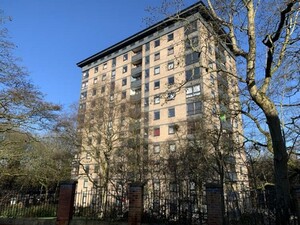
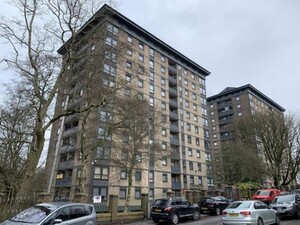
Building Safety Case Information for Arundel Court (Beadham Drive, Blackley, M9 0GY):
Building information:
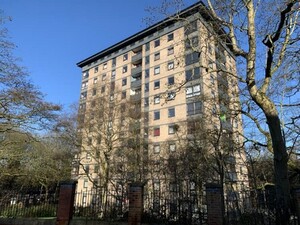
Name: Arundel Court
Address: Beadham Drive, Blackley, M9 0GY
Number of floors: 7
Number of apartments/flats: 24
Number of staircases: 1
Year built: 1960
Construction material(s): Masonry/Concrete
Accountable person:
As part of the new Building Safety laws, every high-rise building must have a Principle Accountable Person.
This is the person or body responsible for managing the fire and structural safety risks of a high-rise building. It could be an individual or an organisation.
In our case, Be One Homes is the Principle Accountable Person. Our Group Chief Executive Officer oversees Be One Homes’ safety responsibilities.
Evacuation strategy:
A ‘Stay Safe’ strategy is in place at your block, and across all of our high-rise buildings. You may also hear this called a ‘Stay Put’ policy. This means that if there is a fire in or near your flat, you should leave the flat and the building.
If there is a fire somewhere else in the building, you can remain in your flat and do not need to leave the building. This is because the fire safety measures in your building are designed to ensure the fire does not spread from a different part of the building.
When firefighters tackle a fire anywhere in the building, it’s likely that some smoke will spread into the corridors and sometimes into the staircase – if you choose to leave the building, you may expose yourself to smoke in these areas before it is cleared.
If at any stage your flat is affected by heat or smoke, or if you feel unsafe, you should get out if you can. You should always evacuate if asked to do so by firefighters.
If you have any mobility issues, medical conditions, or disabilities that may prevent you evacuating your home without assistance, it’s important that you tell us, so we can put the right support in place for you.
If you feel that you would need assistance, please phone us on 01204 328000 or email us at buildingsafety@beonehomes.com.
A summary of the latest Fire Risk Assessment for your building:
A Fire Risk Assessment (FRA) is a report on the fire hazards within the communal areas of a building, as well the external walls and materials used.
It’s carried out by an independent fire safety expert annually and explains the key safety measures in place and identifies any potential fire safety risks.
It also gives recommendations for us to follow if more safety measures are needed to prevent, control, and reduce the effects of a fire. Our FRAs are made available to the Fire and Rescue Service whenever necessary.
You’ll find a summary of the actions and dates for this building’s latest Fire Risk Assessment below.
If you have further questions, or would like more details of each required/completed action in the full Fire Risk Assessment for this building, please contact buildingsafety@beonehomes.com.
This table displays the actions from this building’s most recent Fire Risk Assessment:
Action type:
Number of actions:
Completed actions:
Immediate actions required (within seven days):
0
N/A
Actions required within 120 days:
0
N/A
Actions required within 180 days:
1
1
This Fire Risk Assessment (FRA) was completed by: Total Fire Group
Date of latest Fire Risk Assessment: 2 March 2026
Next Fire Risk Assessment due: 2 March 2027
Regular safety checks and schedule:
Regular safety checks and surveys are carried out in your building to ensure all the fire safety measures and systems are working in case of a fire or emergency in your block.
Some of these checks are carried out by our own team of Statutory Inspectors, while others are carried out by independent building and fire safety experts. You can find out more about the checks we carry out and when they were last done below:
Fire Doors:
All our high-rise blocks and communal buildings have fire doors, and this includes the front door to your home. Fire doors are designed to help stop the spread of fire.
Communal Fire Doors: these are the doors in corridors, stairwells, and communal areas.
Who checks: Statutory Inspectors.
How often: every three months.
Individual Front Doors: these are flat entrance doors to your home.
The lifts in your building will not operate in the event of a fire, meaning you’ll need to use the STAIRs to evacuate the building. The Fire and Rescue Service have a special key that allows them to use the lifts to help with firefighting.
We check that the lift system is working correctly as part of our regular checks of your building:
Who checks: Statutory Inspectors.
How often: every month.
In addition to these regular checks, the lifts in your building are also serviced regularly to ensure they are working safely:
Who checks: TJ Lifts.
How often: every six months.
The lifts in your building are also independently inspected as part of Lifting Operations and Lifting Equipment Regulations (LOLER):
Who checks: HSB.
How often: every six months.
Fire and Rescue Service Equipment:
In the event of a fire, the Fire and Rescue Service will need swift access to essential information about the building or equipment. This can include things like floor plans or keys to access the dry risers, which are used to help the fire service easily access water. These details are kept in a secure information box available to the Fire and Rescue Service, and we check and update this each month.
As part of these monthly checks, we also check the smoke control systems, dry risers, sprinklers, and emergency alert systems.
Your building also has wayfinding signage which is designed to help you, others in the building, and the Fire and Rescue Service easily find their way around the building in the event of a fire.
Who checks: Statutory Inspectors.
How often: every month.
Additional safety checks and schedule:
In addition to the regular checks by our Statutory Inspectors, we also employ partner contractors and fire safety experts to carry out further safety checks. These include:
Fire Risk Assessments (FRAs):
These are carried out yearly by Total Fire Group.
Asbestos (checked in communal areas):
This is inspected annually by Bradley Environmental Consultants Ltd.
Electrical Safety Checks (in communal areas and individual homes):
These are carried out every five years by our internal electrical team.
Emergency Lighting (this is the back-up lighting in case there is no power to the building):
This is serviced annually by our internal electrical team.
Automatic Opening Vents, or AOVs (these are vents in your building which open automatically in case of a fire, helping to release smoke and improve ventilation):
These are checked annually by EFT Systems.
Dry Risers Servicing (Dry Risers are a pipe network that firefighters can use to easily deliver water to higher floors during a fire. They stay empty (dry) when not in use, but can be quickly filled with water when needed for firefighting):
These are serviced and pressure tested annually by GTM Fire Protection.
Structural Assessments:
We carry out regular structural assessments of our buildings to assess their strength and stability. They involve experts inspecting the building’s framework, materials, and support systems to ensure everything is in good condition, helping to ensure the safety and longevity of the structure.
Who checks: building structural experts.
How often: structural surveys were last carried out in 2024. The next structural survey is due in 2029.
EWS1 Reports and External Walls:
An EWS1 Report (or External Wall System Form 1), is a document that assesses the fire safety of the external walls of a building and is part of the overall Fire Risk Assessment for your building.
The EWS1 Report helps identify potential fire risks, particularly related to cladding, to ensure it meets safety standards. As part of the assessment process, buildings are given a safety rating.
Ensure you are empowered to get involved and influence building safety decisions in your home.
Ensure you are aware of key building safety messages and decisions.
Ensure you know how to raise any building safety concerns with us.
Ensure you are aware of and know how to access key building safety information about your home.
Provide you with a clear understanding of our responsibilities as a landlord, and your responsibilities as a Be One Homes customer to ensure your home remains safe.
Ensure you are effectively communicated with in a way that is accessible and easy to understand.
Ensure you know what to do in the event of a fire or emergency in your building.
Ensure you know how to make a complaint if you feel your concerns are not being listened to.
Want to ask a question or report a safety concern?