
This page brings together all of our safety guidance for residents living in flats. If you’d like safety information for residents living in houses, tap here. Some of our safety advice is the same for houses and flats.
An important safety update for residents living in high-rise* buildings:
- Please read this update on new Personal Evacuation Plans (RPEEPs) for high-rise homes.
New national fire safety legislation comes into force in spring 2026, and we’re making some changes to help keep everyone living in our high-rise buildings safe.
From April 2026, all housing providers must have Residential Personal Emergency Evacuation Plans (RPEEPs) in place for customers who may need extra help to leave the building safely in an emergency.
We have five high-rise buildings where this new requirement applies:
- Blackshaw House
- Rogerstead House
- Fernstead House
- Rainford House
- Arundel Court
What is an RPEEP?
An RPEEP is a personalised evacuation plan for anyone who may find it difficult to leave their home quickly during a fire or other emergency. As lifts cannot be used during a fire, it’s important that anyone who may struggle with stairs has a clear, safe plan in place.
An RPEEP can help if you:
- Have mobility or balance difficulties.
- Use a wheelchair or walking aid.
- Have sight or hearing loss.
- Live with a long-term health condition.
- Take medication that affects your awareness or movement.
- Would find it difficult to evacuate for any other reason.
How are the plans used?
With your consent, important information from your RPEEP will be shared with Greater Manchester Fire and Rescue Service (GMFRS). This helps firefighters understand the best way to support you during an emergency.
Every plan is created with you, based on your needs and preferences. Your plan may include:
- Specialist alarms or equipment.
- Advice about safe places in the building.
- Extra fire safety measures inside your home.
- Clear steps on what to do and where to go.
What are we doing now?
Over the coming months, our Building Safety Team will be contacting everyone living in a high-rise property to:
- Check if you might need a personalised evacuation plan.
- Update any information we already hold.
- Make sure the right support is in place.
We will also arrange a yearly review, so your plan stays up to date. It’s important that you allow access to speak to us, even if it is just to record that you will not need a plan put in place.
Contact us:
You don’t need to wait for us to call you.
If you think you might have difficulty evacuating the building in an emergency, or if your circumstances have changed, please contact us as soon as possible. This will help us understand your needs and ensure the right arrangements are in place to support you.
Call our Building Safety Team on 01204 328000 or email buildingsafety@beonehomes.com.
Tell us which safety topic you'd like to know more about:
Some of our safety information is the same for houses and flats, while other topics are specific to the type of property you live in.
If you’d prefer to download a handy PDF guide containing all of our safety advice for houses, just tap here to download our Home Safety Guide for Houses.
- If you'd like to ask a question or report a safety concern, please call 01204 328000.

Fire safety:
Make sure your flat is fire-safe by familiarising yourself with our fire safety tips and guidance. Tap below to learn more.
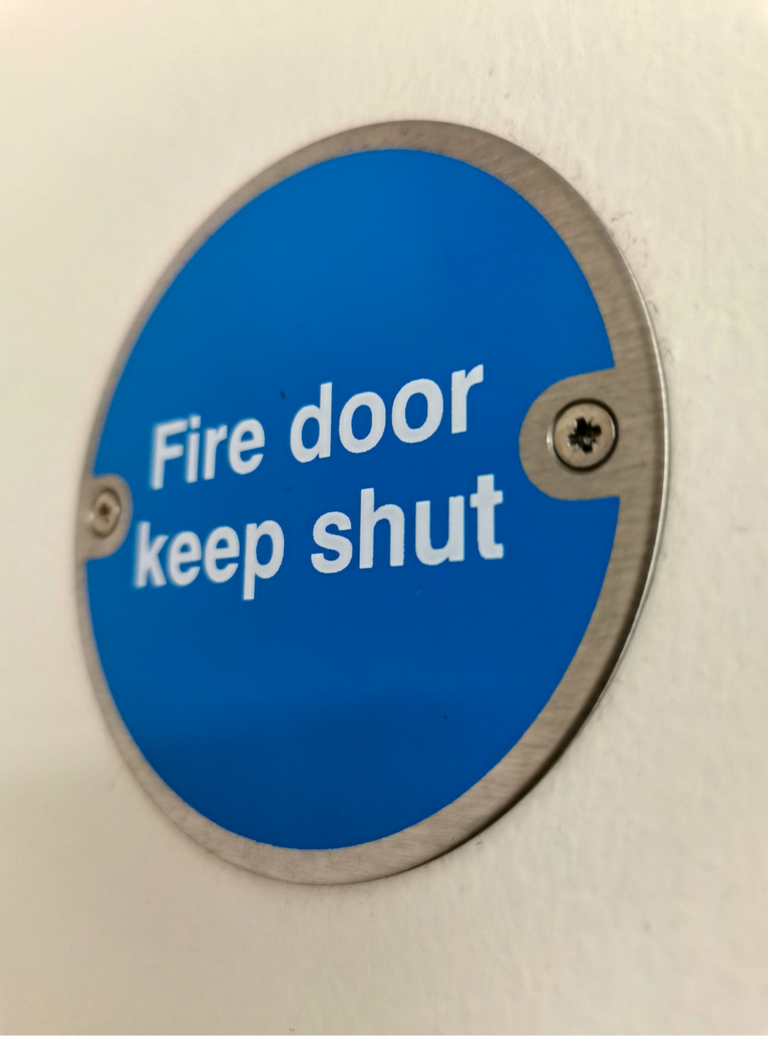
Fire doors:
Fire Doors close behind you to create a barrier from fire and toxic smoke, preventing them from travelling around a building. Tap below to learn more about fire doors and how to check they’re working correctly.
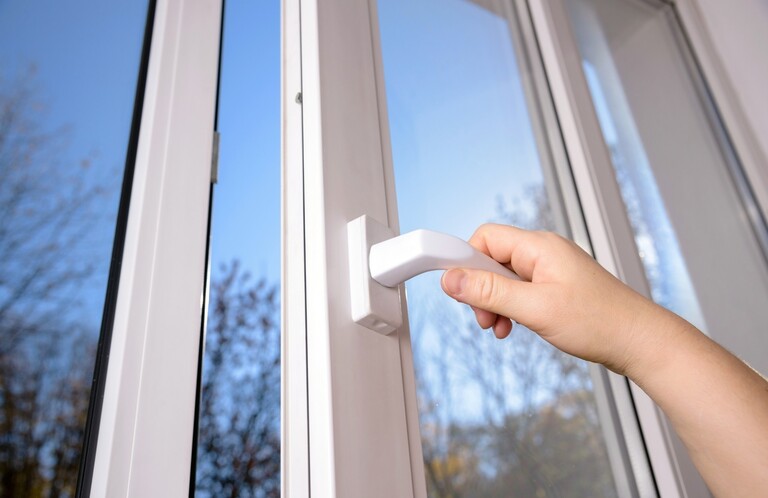
Window safety:
Knowing the risks associated with opening windows is crucial. If the window safety devices in your home aren’t used correctly, people can fall from them – and the risks are higher if you have young children at home. Tap below to learn more.
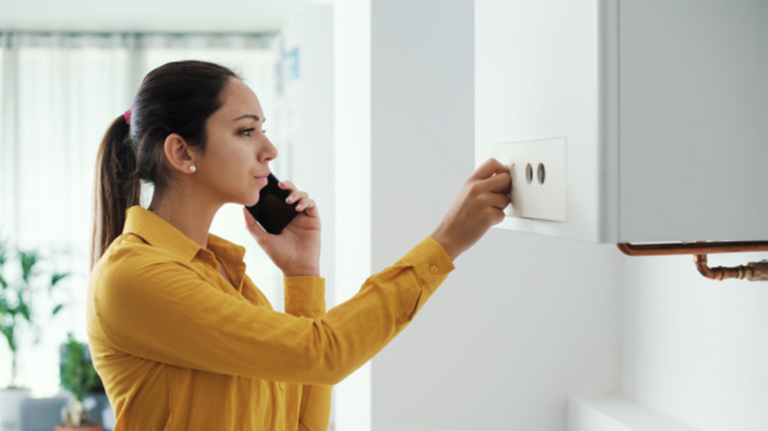
Gas safety:
Get advice on staying gas-safe, including how to look after your gas appliances, carbon monoxide, and the gas safety checks we’ll carry out in your home. Tap below to learn more.
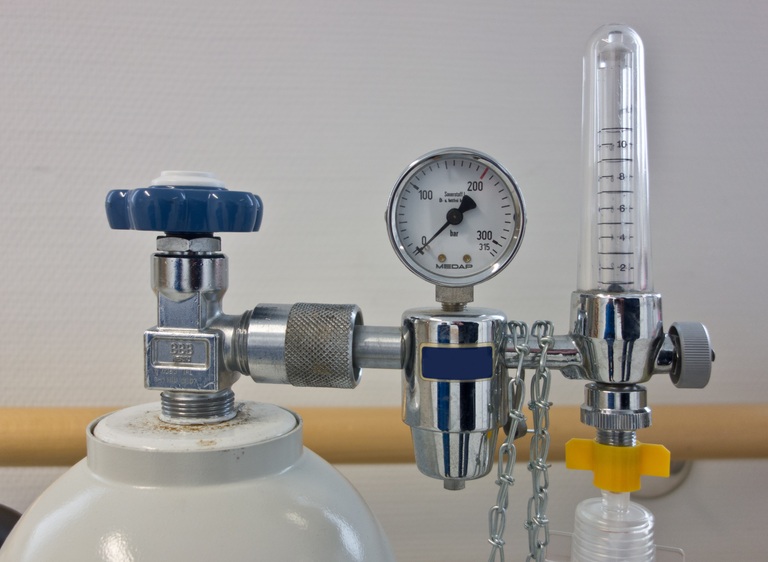
What to do if you need to use and store compressed gas in your flat:
Unless for medical reasons, you mustn’t use or store compressed gas in your flat. Tap below to learn more.
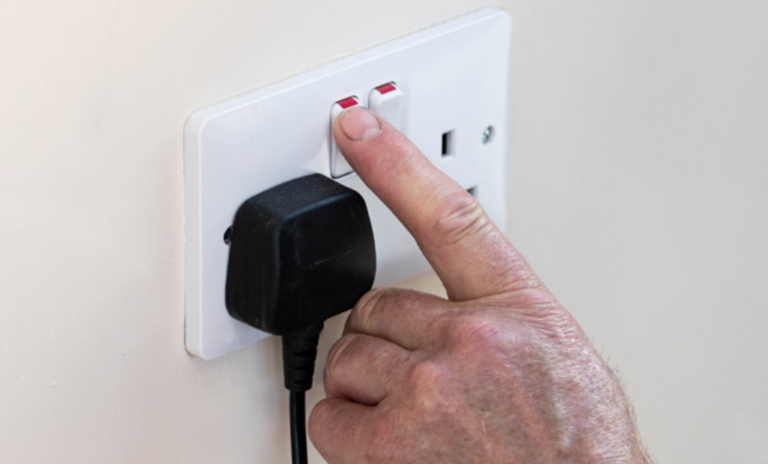
Electrical safety:
See guidance on making sure your electrical appliances and devices are safe, along with details on the electrical safety checks we’ll carry out in your home. Tap below to learn more.
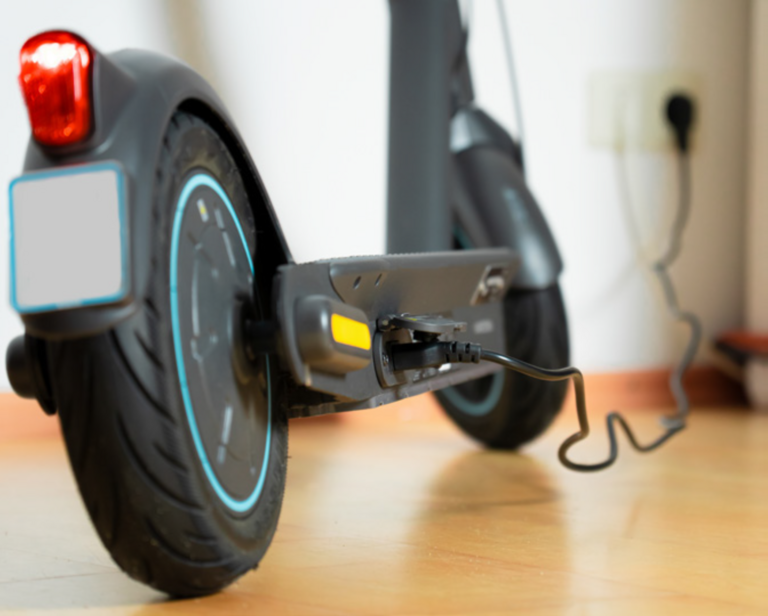
Mobility scooters, e-bikes/scooters, and similar battery-powered devices:
See our advice on safely storing and charging these devices in your flat. Tap below to learn more.
Water hygiene at home:
Simple steps can help to keep your water clean and safe from harmful bacteria. Tap below to learn more about what you can do, and how we’ll make sure our water systems are maintained to the highest standards.
Making alterations to your flat:
You’ll need to get permission from us for any alterations to your flat. This includes new doors and door furniture. Tap below to learn more.
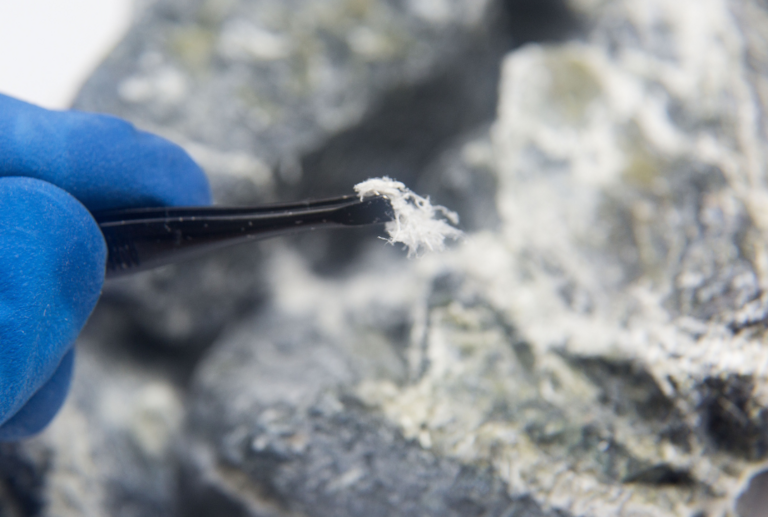
Asbestos safety:
You don’t need to worry if you have asbestos in your home. If it’s in good condition, it’s not usually a problem. Asbestos only becomes dangerous when it’s damaged or disturbed. Tap below to learn more.
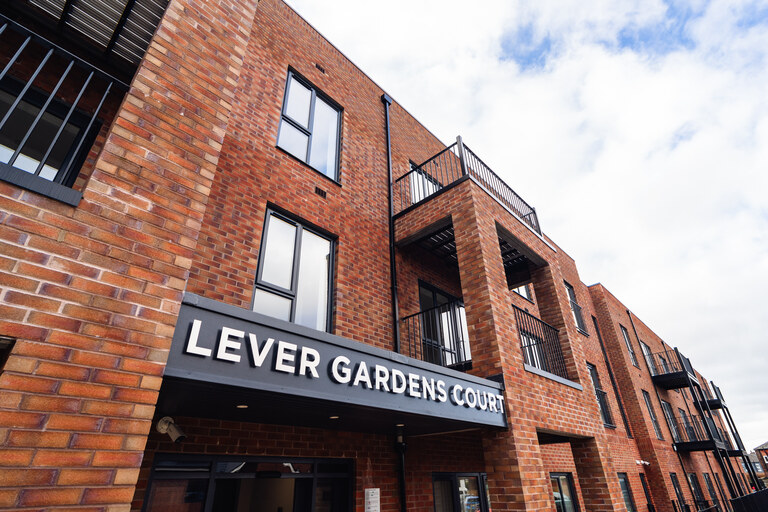
View important safety information for your building (Building Safety Case Information)
It’s a legal requirement that we share key safety and building information about your block with you. Tap below for details.

Why Home Contents Insurance is important:
As your landlord, we insure the structure and fittings of your home and you’re responsible for insuring all your contents and personal belongings. It’s important to take out contents insurance to cover your personal belongings against flood, fire, theft, and accidental damage. Tap below to learn more.
Residents living in flats: have you downloaded our Home Safety Guide?
This guide contains information to help keep you and others safe in your flat, covering several areas such as fire, water, asbestos, and more.
Please remember that this guide does not replace your tenancy agreement, which details your duties, as well as your rights as a tenant, and our duties as a landlord.
There are two versions of this guide: one for flats, and one for houses. You can download our Home Safety Guide for Flats below.